
The complete guide
Chain Fly Screens, A Practical Buyer's Guide For Doorways
The problem with an open door
Warm weather creates a small, annoying conflict. The kitchen heats up, the smell of cooking lingers, and the obvious fix is to open the back door. Within minutes, flies find it. They come in from the bins, the garden, the compost, and they head straight for whatever is on the counter. So you shut the door, the room gets hot again, and round it goes.
A chain fly screen settles that argument. It hangs in the doorway and stays there. Air keeps moving through, you keep walking through with your hands full, and most of the insects stay outside where they belong. There is nothing to switch on, nothing to remember and nothing to fiddle with. That is its whole appeal.
How a chain curtain works
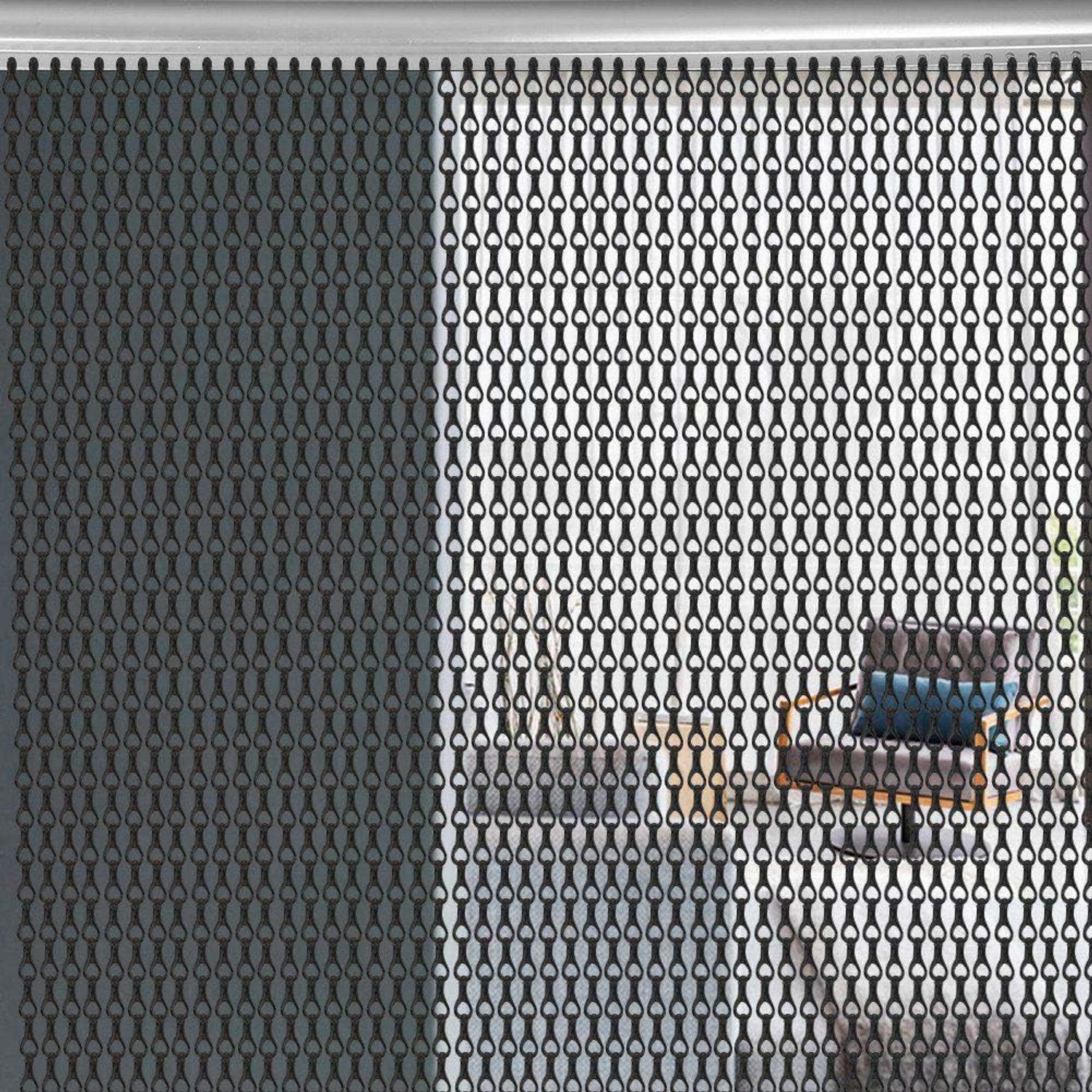
Flying insects rely heavily on sight. A wide open doorway reads to a fly as a clear route in. Fill that route with hanging metal chains and the picture changes. The gaps are narrow, the chains shift and sway with every draught and every person passing, and the whole thing reads as an obstacle rather than an opening.
It is worth being honest about what that means. A chain curtain is not a sealed insect screen. It reduces the number of flies getting in, often dramatically, but a determined one will still find a way through now and then. Think of it as cutting the traffic rather than closing the road. For most kitchens, that is the difference between swatting all evening and barely noticing.
The chains also do something a hinged mesh screen cannot. They never need to be opened. You walk at them, they part, they close behind you. Carrying a tray, a laundry basket or a toddler makes no difference.
Metal versus plastic
Doorway screens generally come in two families: plastic strip curtains and metal chain curtains. Both work. They age differently.
Plastic strip is cheap and light. In a hot doorway or one that catches afternoon sun, strips can curl at the edges, cloud over and start to look tired within a season or two. Static also makes them cling to each other and to clothing.
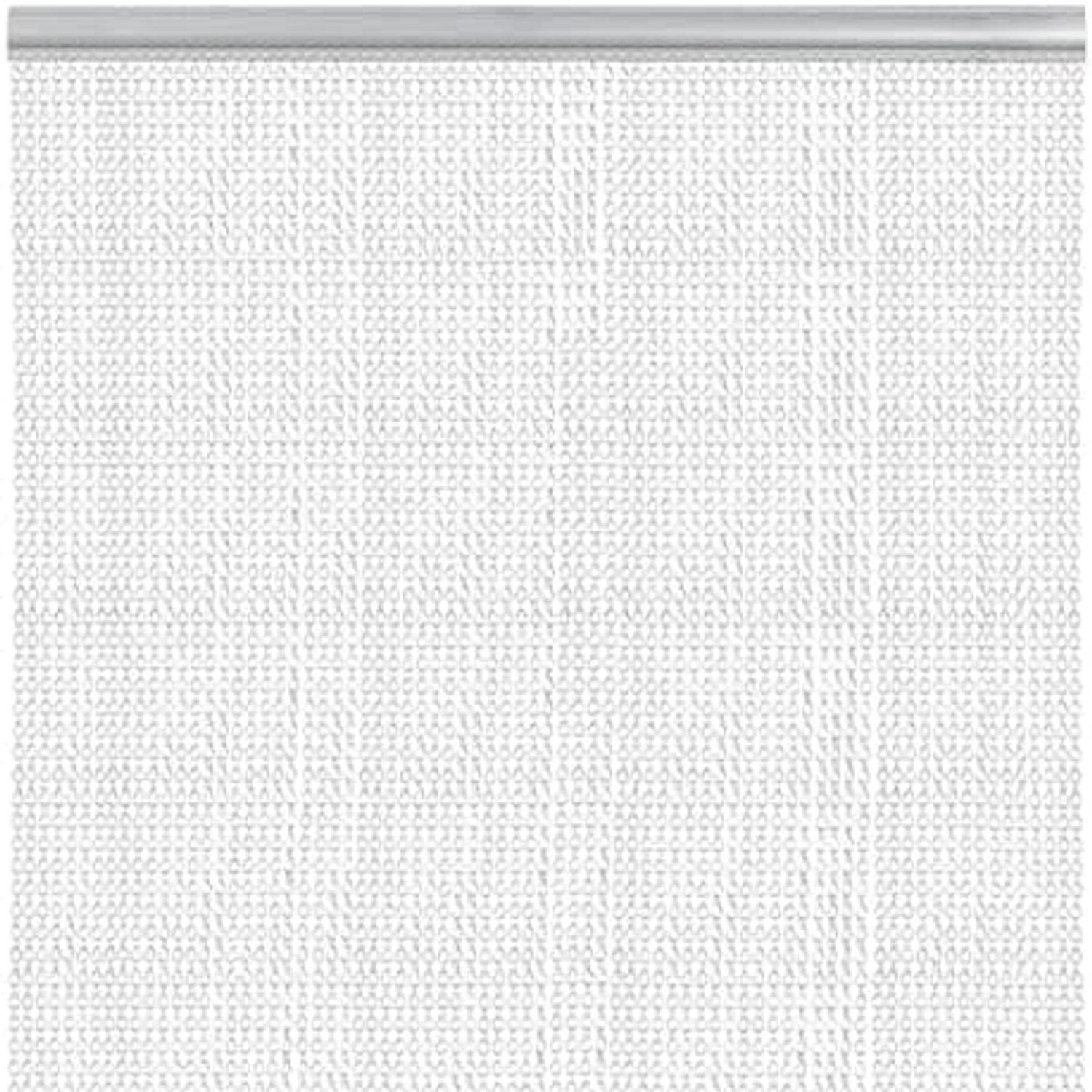
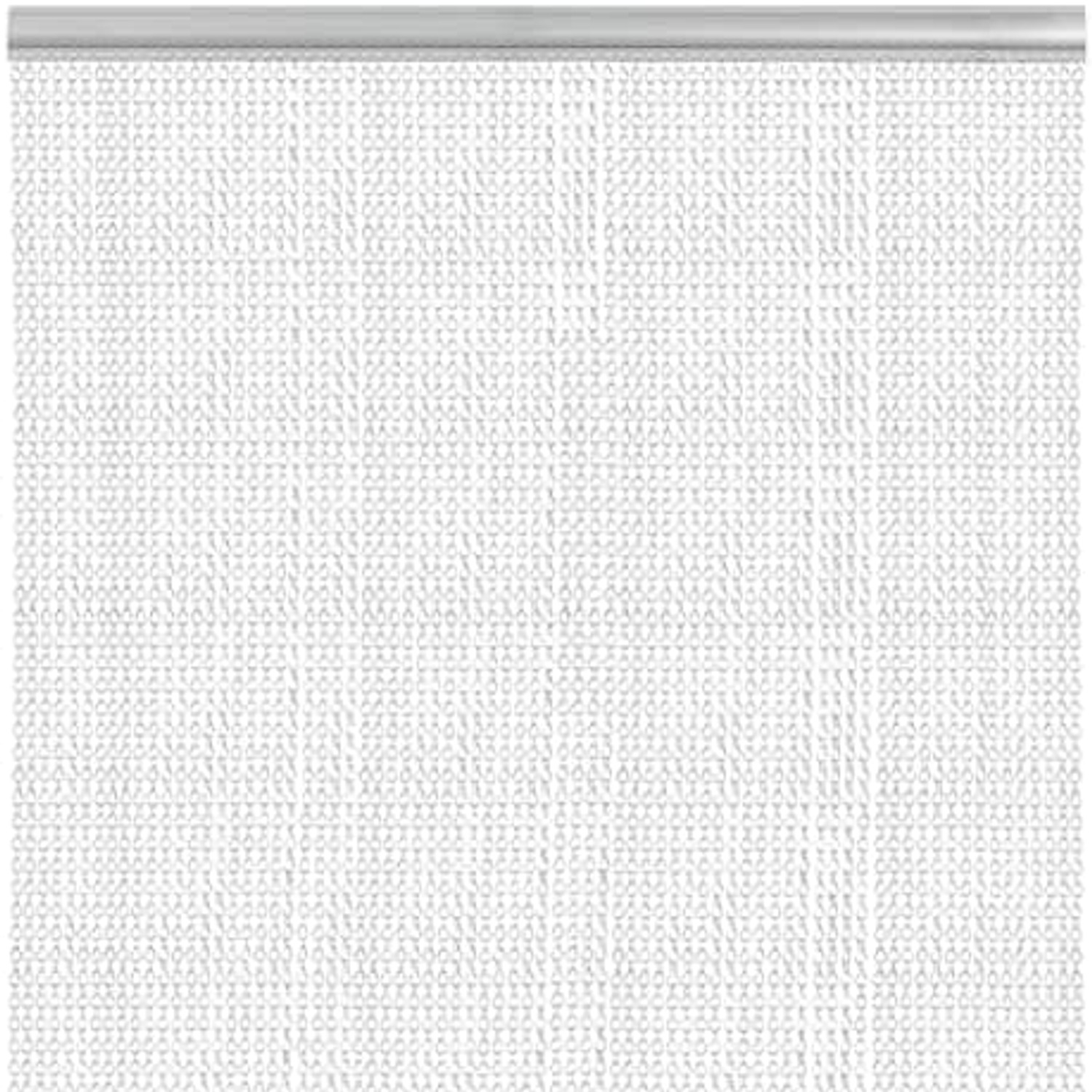
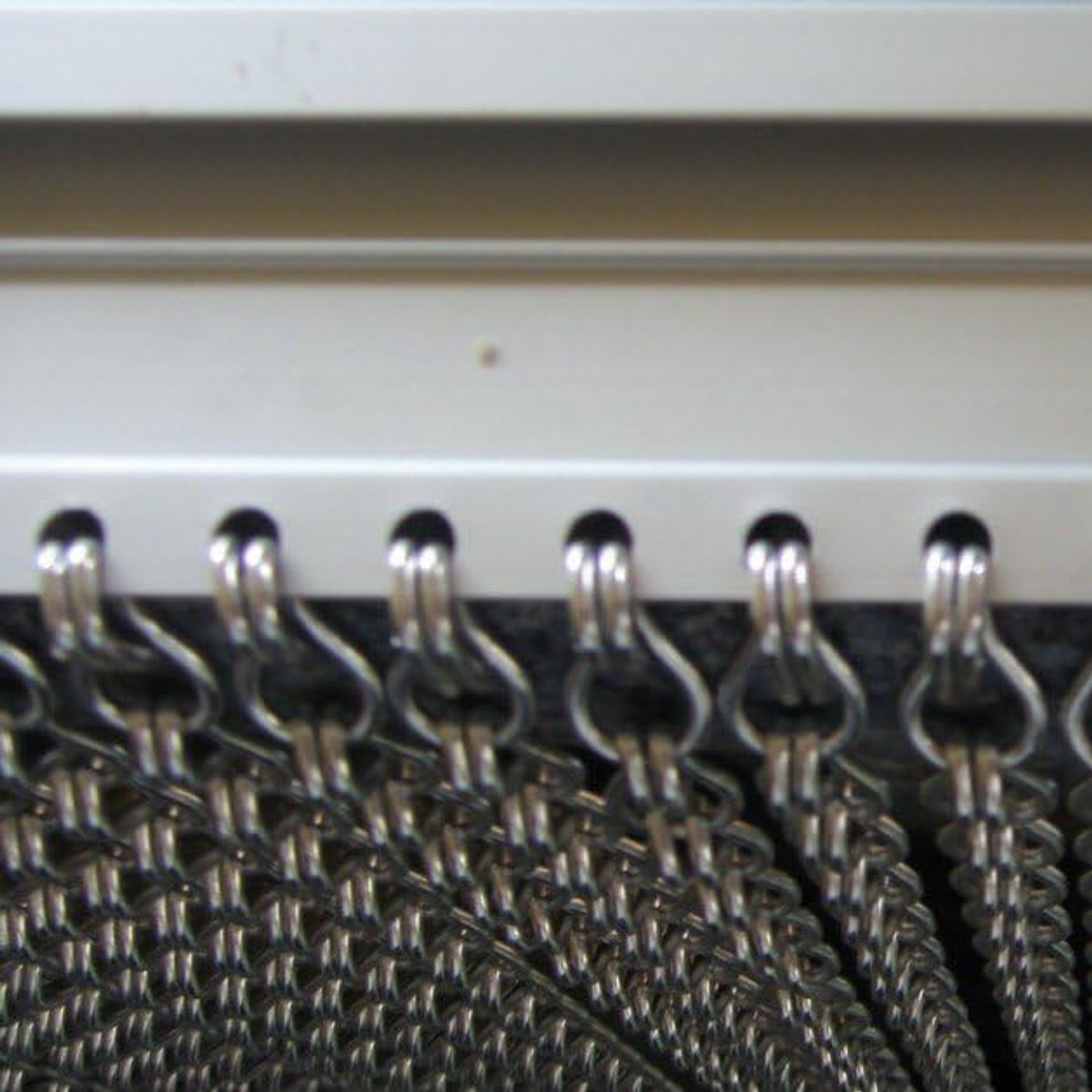
Aluminum chain behaves better over time. It has enough weight to hang straight and drop back into line after each pass. It shrugs off heat, which matters next to a cooker or in a south-facing doorway. It does not yellow, and it does not go brittle. This screen uses interlinked aluminum in a silver finish with an aluminum support bracket along the top, so the whole assembly is metal.
There is a look to it as well. Silver chain reads as neutral and slightly industrial, which is why you see it so often in pubs, cafes and professional kitchens. It does not fight with the decor. If you want the best kitchen door fly screen that still looks tidy on a domestic back door, metal chain usually wins on both counts.
Getting the size right
This is where most people come unstuck, so take two minutes with a tape measure.
Measure the width of the opening at the top, the middle and near the floor. Old houses in particular are rarely square, and you want the widest of those three numbers. Then measure the height from where the hooks will go down to the floor.
This screen is 90cm wide with an approximate 200cm drop, which matches a standard doorway. The listed item dimensions are 78.74 inches by 35.43 inches. The manufacturer also offers 80cm and 1 meter versions, so if your opening falls outside the standard, there is likely a width that suits it.
Err on the generous side. A screen slightly wider than the opening gives you coverage at the edges, and edges are exactly where insects slip through. A screen that is too narrow leaves two permanent gaps and undoes much of the benefit.
For wide openings like patio doors or double garage entrances, a single panel will not do the job. You either need several panels hung side by side with a small overlap, or a purpose-made wide screen. Plan for that before ordering rather than after.
Fitting it
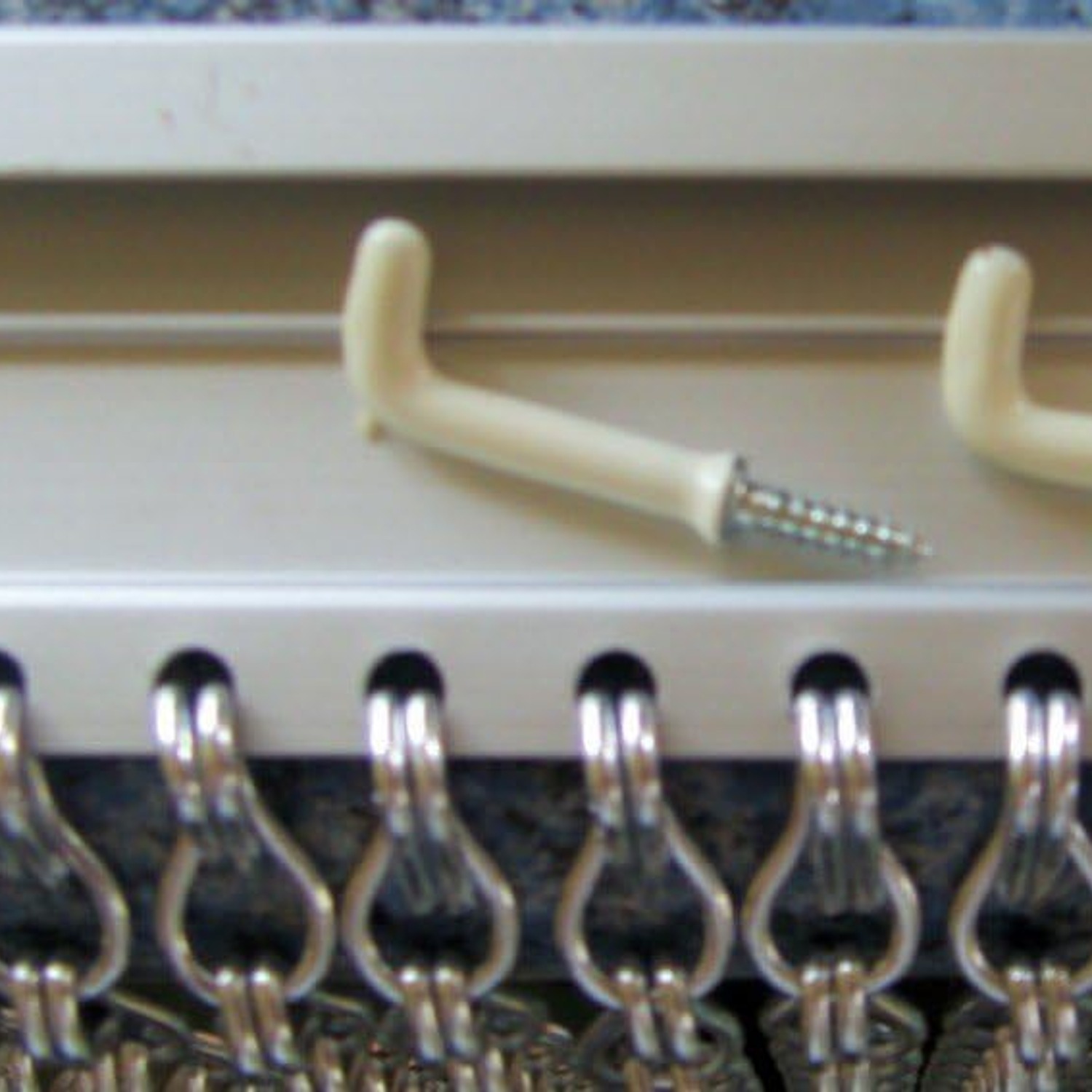
The fitting system here is deliberately simple. A lipped aluminum support bracket runs along the top of the curtain, and that bracket rests on two screw-in hooks. Both hooks and a user manual come in the box.
Mark your hook positions above the opening, check them with a spirit level or by measuring down from the ceiling, and make sure the hooks are going into something solid. Timber lintel, solid frame or masonry with a suitable plug all work. uPVC on its own is usually not the right anchor point, so look for the structure behind it.
Start the holes with a drill or bradawl, screw the hooks in, and lift the curtain onto them. That is the whole job. It also means removal takes seconds. Lift it off for a big delivery, for winter storage or for cleaning, and drop it back on afterwards.
Who it suits
Home kitchens with a back door are the most common setting, and the room type on this listing reflects that. Beyond the kitchen, it suits utility rooms, garden rooms, cellar steps, workshops, farm offices and any door that gets propped open through summer.
Commercial users get the most out of it. Pubs, cafes, takeaways and small restaurants all have a service door that opens and closes constantly. A chain curtain handles that rhythm without anyone having to think about it, and metal stands up to the knocks better than strip plastic.
Pet owners tend to like it too. Most dogs and cats work out how to push through within a few attempts, especially if you hold the chains aside the first couple of times.
Living with it
Day to day, there is very little to do. The chains settle themselves. Occasionally a link can catch on a bag strap or a coat button, and a gentle tug frees it.
Cleaning is spot clean only, which suits the product type. In a cooking doorway, grease and dust gradually dull the finish, so wipe the chains with a damp cloth and a little mild detergent every few weeks. Dry them with a soft towel afterwards so you do not leave water marks. Do not soak the curtain, do not run it through a washing machine, and keep in mind that it is not water resistant and is intended for indoor use.
Every few months, give the hooks a look. Doorways get bumped, and a screw that has worked slightly loose is a two-second fix with a screwdriver.
Noise is minimal. You hear a soft settling sound after each pass, and a faint rustle on a breezy day. Most households stop noticing it within a week.
The short version
If you want a door you can leave open without surrendering the kitchen to flies, a chain curtain does the job with almost no effort from you. Aluminum is the material to pick for a hot or sunny doorway because it keeps its shape and its color. Measure the widest point of your opening before you order, and choose a width that covers it fully rather than one that is close enough. Fitting takes a few minutes with the supplied hooks, and taking it down again is just as quick. After that, it quietly does its work every warm day for years.