

The complete guide
Chain Curtain Buying Guide, How to Choose and Fit a Chain Fly Screen
The problem with an open door
Summer gives you a simple choice. Shut the door and bake, or open it and share the room with every fly in the neighbourhood. Most people compromise, propping the door open at the hottest part of the day, then slamming it shut when something buzzes past their ear.
A hinged screen door is one answer, but it is expensive, it needs a frame, and in a busy kitchen or shop it becomes one more thing to push open with your elbow while carrying a tray. Plastic strip curtains do the job but tend to yellow and go sticky. That is where a metal chain curtain earns its place. It hangs across the opening, does its work quietly, and you walk through it without thinking.
How a chain curtain works
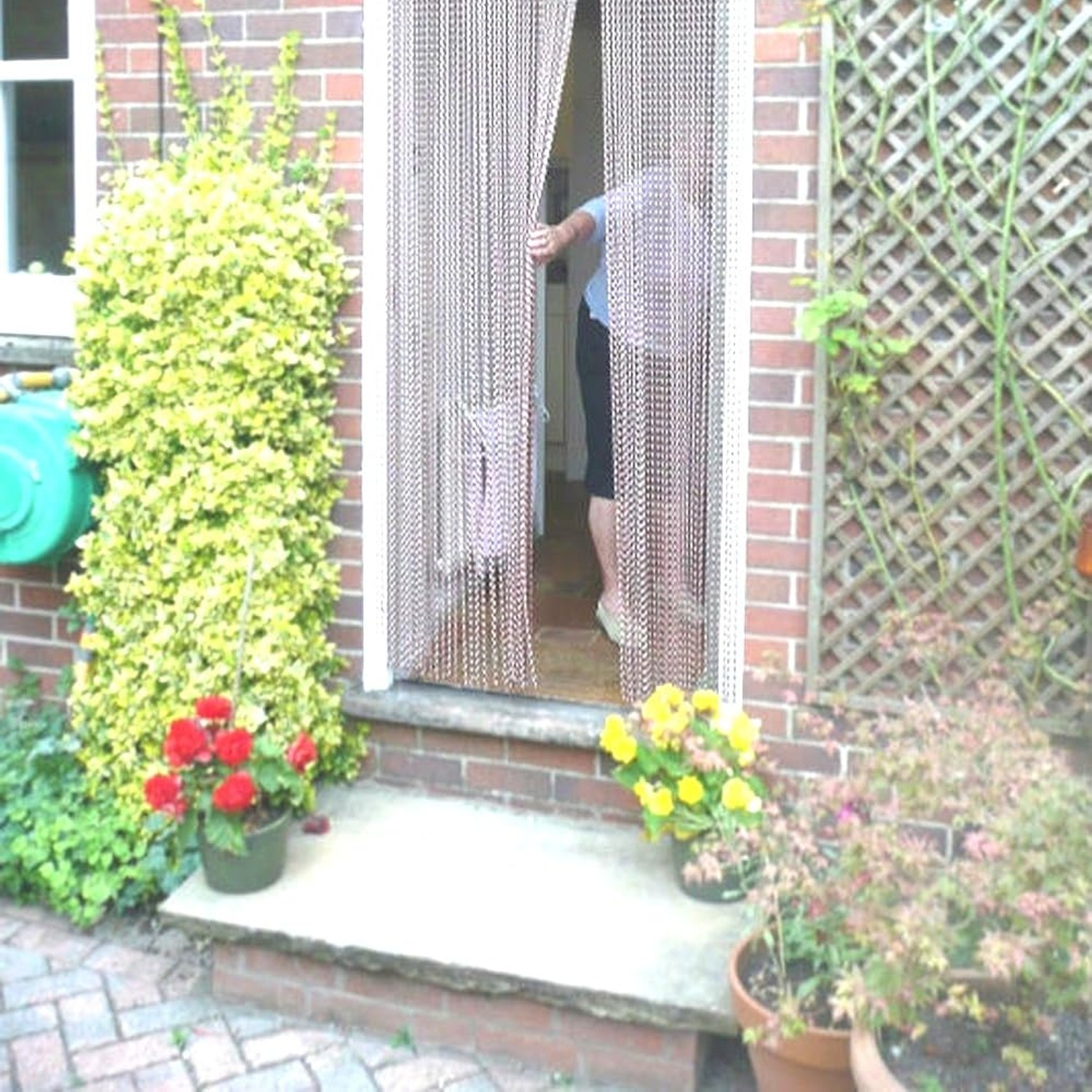
The idea is older than you might expect, and it is barely an idea at all. Hundreds of small links hang in closely spaced strands across a doorway. There is no solid surface, so air moves through more or less freely. Light comes through too, in a soft, broken-up way that cuts glare without making the room dark.
Flying insects behave differently from people. They do not push through moving obstacles the way we do. Faced with a wall of chains that shift and chime, most of them turn away. It is not a seal, and anyone who promises you a hundred percent insect-free doorway is overselling. What you get is a real, noticeable drop in what comes inside, while the breeze keeps coming.
The weight of the metal matters too. Aluminum is light enough to swing out of your way and heavy enough to fall back into place straight away. Lighter materials tend to stay bunched up after someone walks through, which leaves a gap.
What you are getting with this one
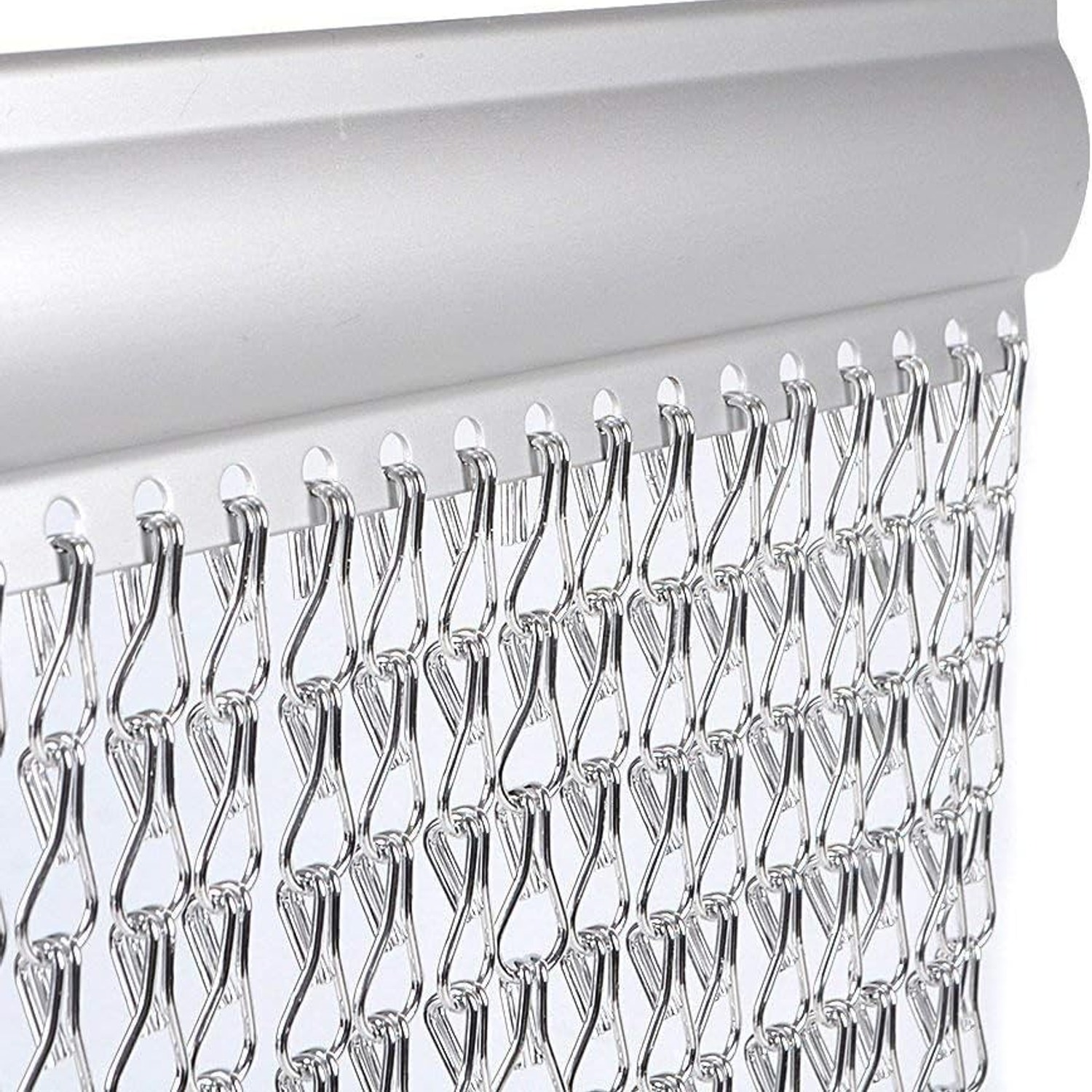
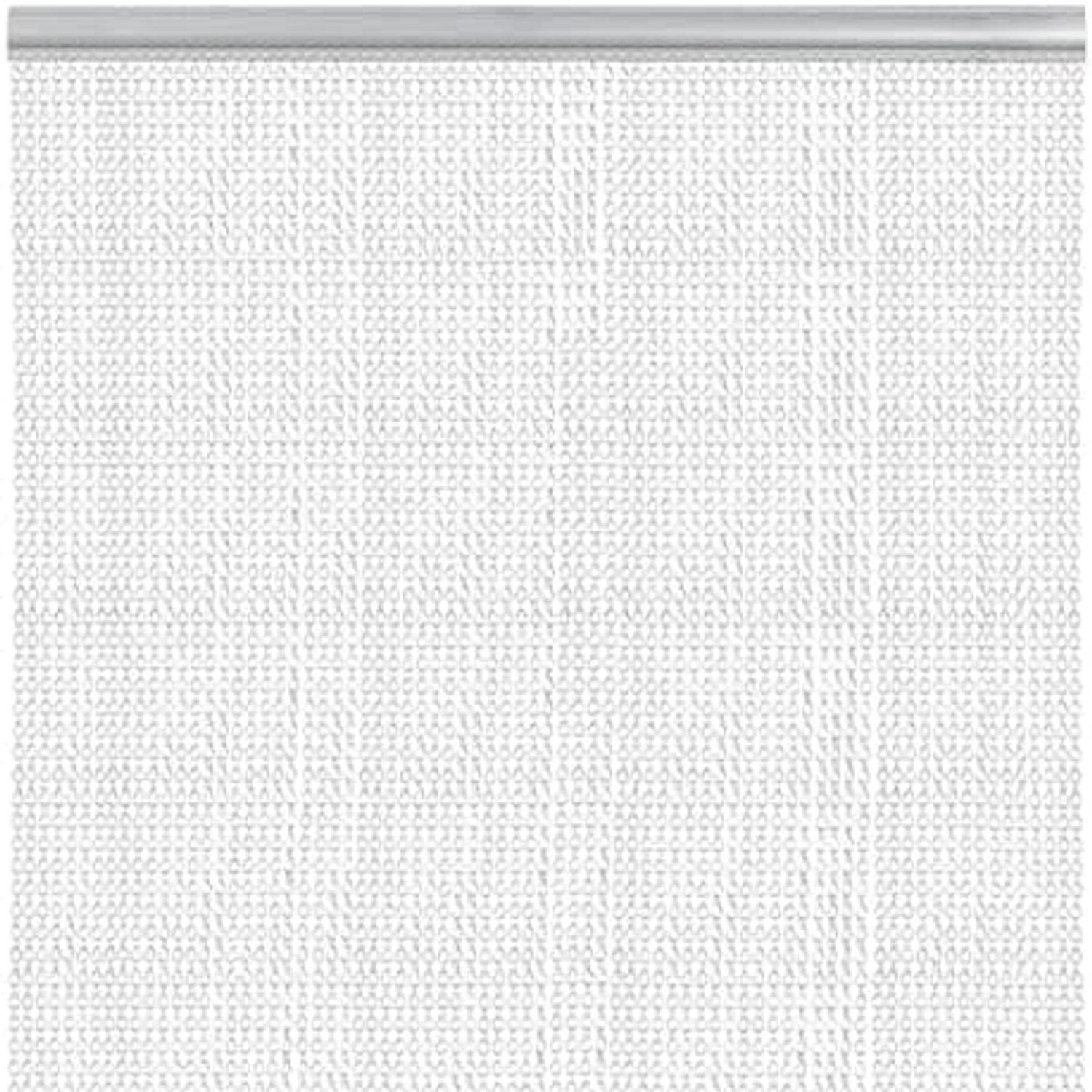
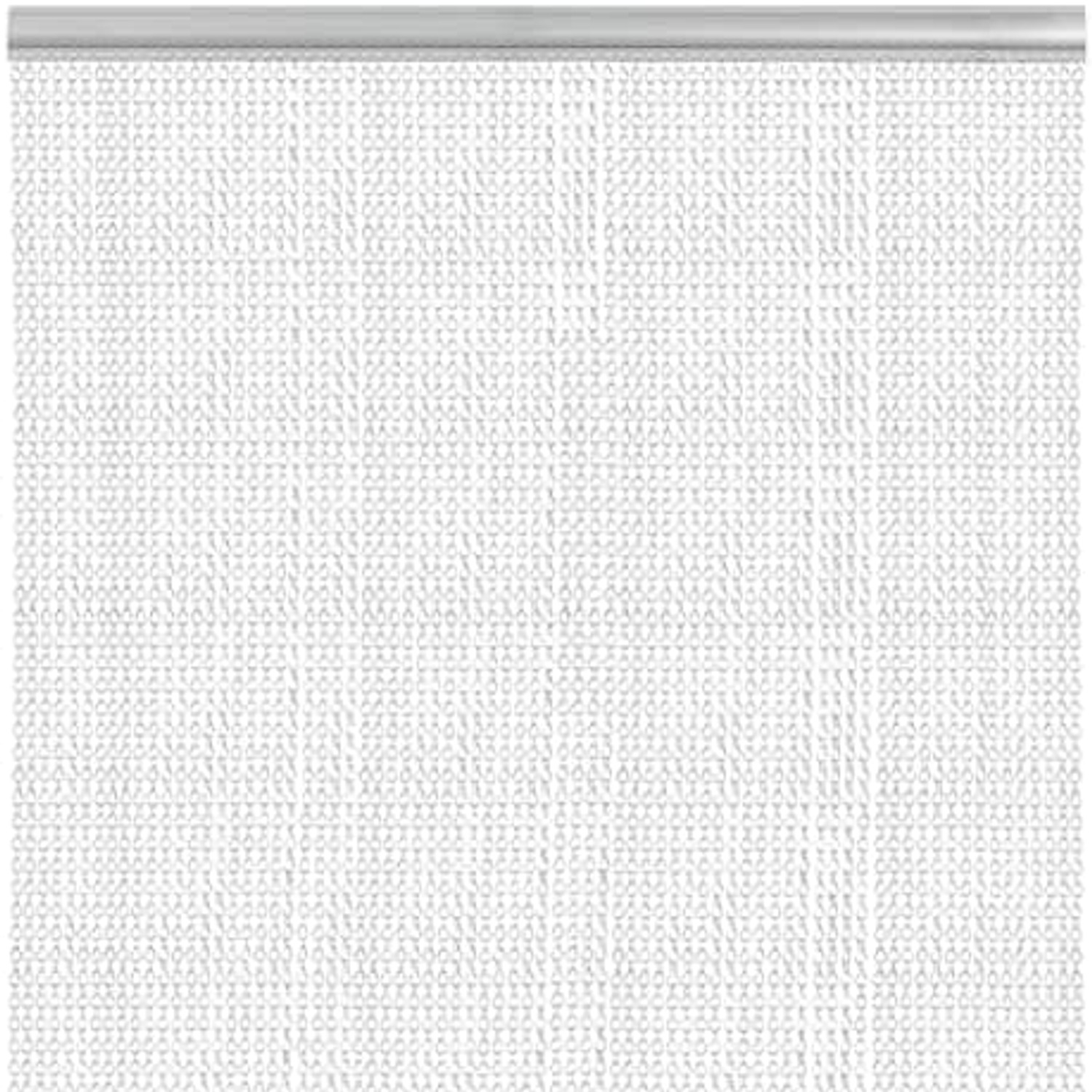
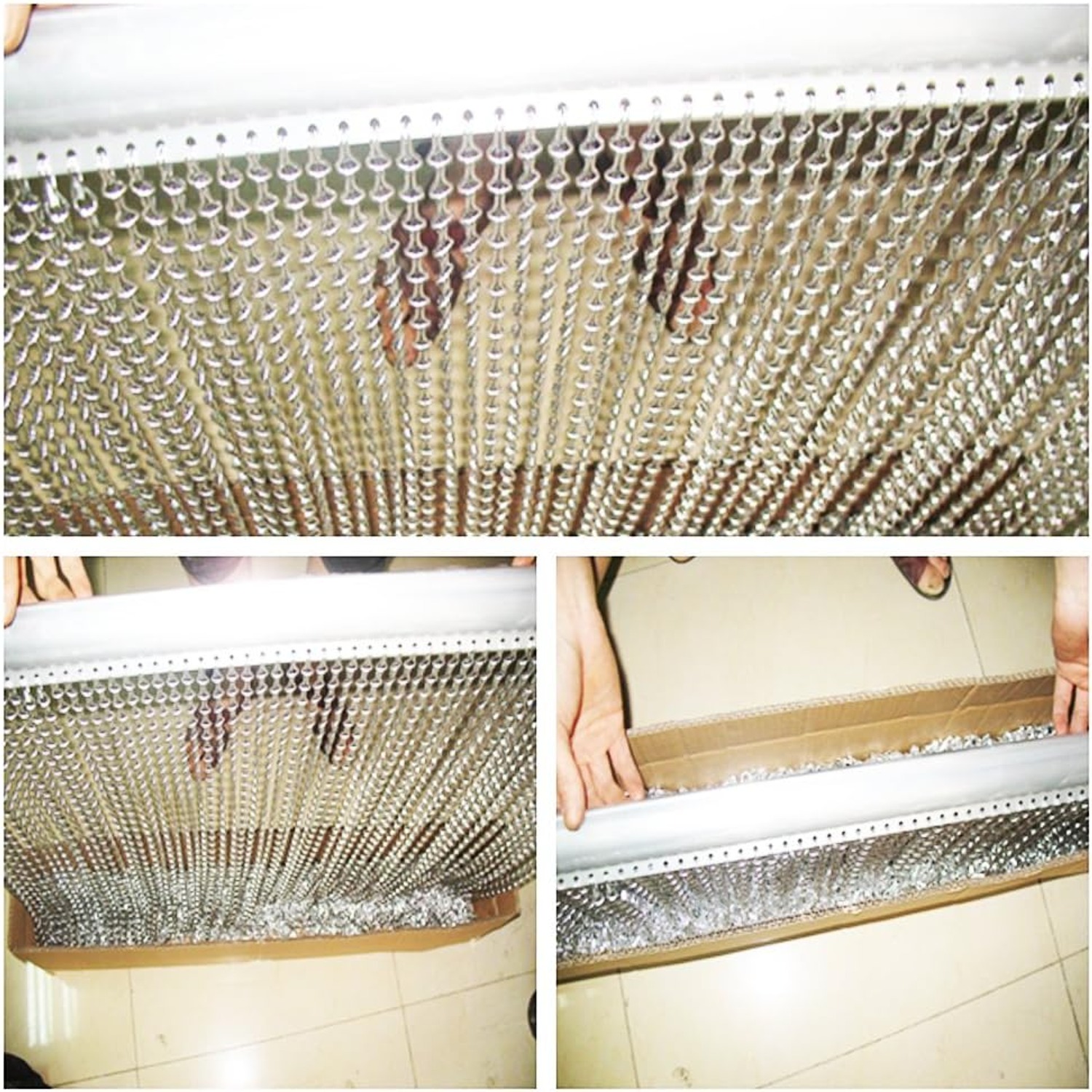
This is a silver chain curtain made from anodized aluminum links, measuring 35 inches wide by 83 inches long. The strands hang from a metal track header strip that runs across the top.
Anodising is worth a quick word. It is a treatment that builds a hard oxide layer on the surface of the aluminum. In practice that means the silver finish stays bright, it does not flake off like paint, and a damp cloth brings it back to looking new. For a doorway that gets touched dozens of times a day, that matters more than it sounds.
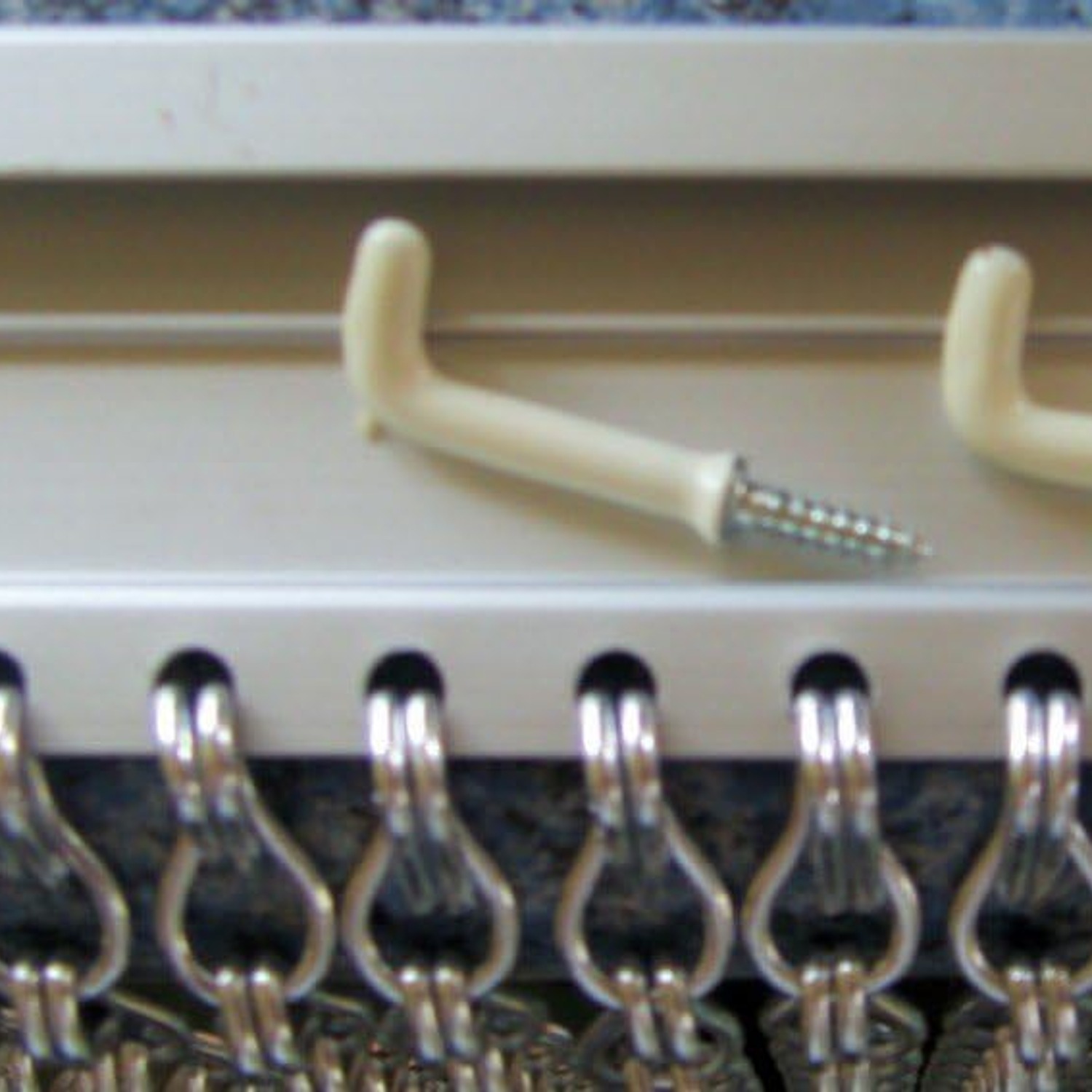
The header strip hangs on two screws. That is the whole fitting system. It also means removal takes seconds, which is more useful than you expect. When you need to carry a sofa through, or you want to take the curtain outside to wash it, you lift it off and put it back later.
Who it suits
At home, the obvious spot is the back door or the kitchen door. Anywhere that gets propped open in warm weather. It also works across a pantry entrance, a laundry doorway or the gap between a kitchen and a dining area, where a swing door would just be in the way.
In commercial spaces, a chain fly screen has been standard for decades. Cafes, bars, takeaways and small restaurants use them because metal wipes clean, does not hold cooking smells, and looks deliberate rather than makeshift. A silver chain curtain at a shop entrance reads as open for business while still marking the threshold.
Workshops and garages are another good fit. A metal chain door screen puts up with being knocked, bumped and shoved past in a way softer options do not.
It is not for everyone. If you need genuine privacy, a quiet room, or a proper insect seal for a bedroom window, look elsewhere. And if the sound of chains moving would bother you, that is a real consideration. Some people find it soothing, others find it maddening.
Measuring and getting the size right
Start with the opening, not the door. Measure the width of the clear space you want covered and the height from your intended fixing point down to the floor.
The 35 inch width suits a standard single doorway. A little extra width is good, because the chains overlap the frame edges and close off the gaps where insects slip past. If your opening is wider than the curtain, you will have exposed edges, which undermines the whole point.
The 83 inch drop is generous for most doorways. That is deliberate, because it is easy to shorten a chain curtain and impossible to lengthen one. Links can be removed from each strand until the chains hang where you want them.
Aim for a small gap at the bottom, around half an inch to an inch above the floor. Chains that drag on the ground pick up dust, scuff the finish and catch on feet. Chains that stop too high leave a gap insects will find.
Shortening the strands is honest work. It takes time, and you will want a pair of pliers and some patience. Do it in good light, count the links as you go so the strands stay even, and keep the spares in a bag. If you move house and the new doorway is taller, you will be glad you did.
Fitting it
Hold the header strip up to the opening and mark the two screw positions with a pencil. Use a level, or at least step back and check it by eye from a distance. A chain curtain hanging a few degrees off looks wrong in a way that will bother you every time you walk past.
Timber frames are the easiest case. Drill a pilot hole and drive the screws straight in. Masonry needs a masonry bit and plugs. Plasterboard needs proper anchors, not just a screw pushed into the board, because the curtain hangs with a steady pull and a bare screw will work loose.
Leave the screw heads standing proud enough for the header strip to sit over them. Then just hang it. Give the chains a shake to let them settle and hang straight.
Keeping it looking good
Maintenance is close to nothing. Wipe the chains down with a damp cloth and a drop of mild detergent when they look dusty, then dry them with a soft towel so you do not leave water marks.
Avoid scouring pads, bleach and solvent-based cleaners. The anodized surface is tough but it is not indestructible, and abrasives will dull it.
For a deeper clean, lift the whole curtain off its screws and lay it flat on a table or an old towel. You can get at the full length of each strand without wrestling the thing over your head.
Every few months, check the two fixing screws. Doorway hardware gets knocked, and a screw that has backed out a turn or two is easy to fix now and annoying later.
The short version
A silver chain curtain is a cheap fix for an old problem. It lets the air in, keeps most of the insects out, and looks smart doing it.
This one is 35 by 83 inches in anodized aluminum, hangs on two screws, and shortens by removing links. Measure your opening, check the width covers it, then plan on trimming the drop so the chains stop just above the floor.
If you want silence or a full insect seal, this is not the product. If you want to leave the door open all summer without the flies moving in, it is hard to beat for the money.