
The complete guide
Chain Door Fly Screens, A Practical Buyer's Guide
The open door problem
Warm weather makes a simple demand. Open the back door, let the air through, enjoy the light. Then the flies arrive, a wasp finds the fruit bowl, and you end up shutting the door and switching on a fan instead.
Hinged screen doors solve it, but they cost more, they need a clear swing, and they are a nuisance when your hands are full of plates or washing. Fabric strip curtains work, though they go grubby and start to look tired after a season or two in the sun.
A chain door fly screen sits in between. It is a curtain of metal strands that hangs permanently in the opening. Nothing opens, nothing closes, and you walk straight through it carrying whatever you like. Insects, which navigate by landing and by following clear flight paths, meet a surface that moves and shifts and gives them nothing to settle on. Most turn back.
How a chain curtain works
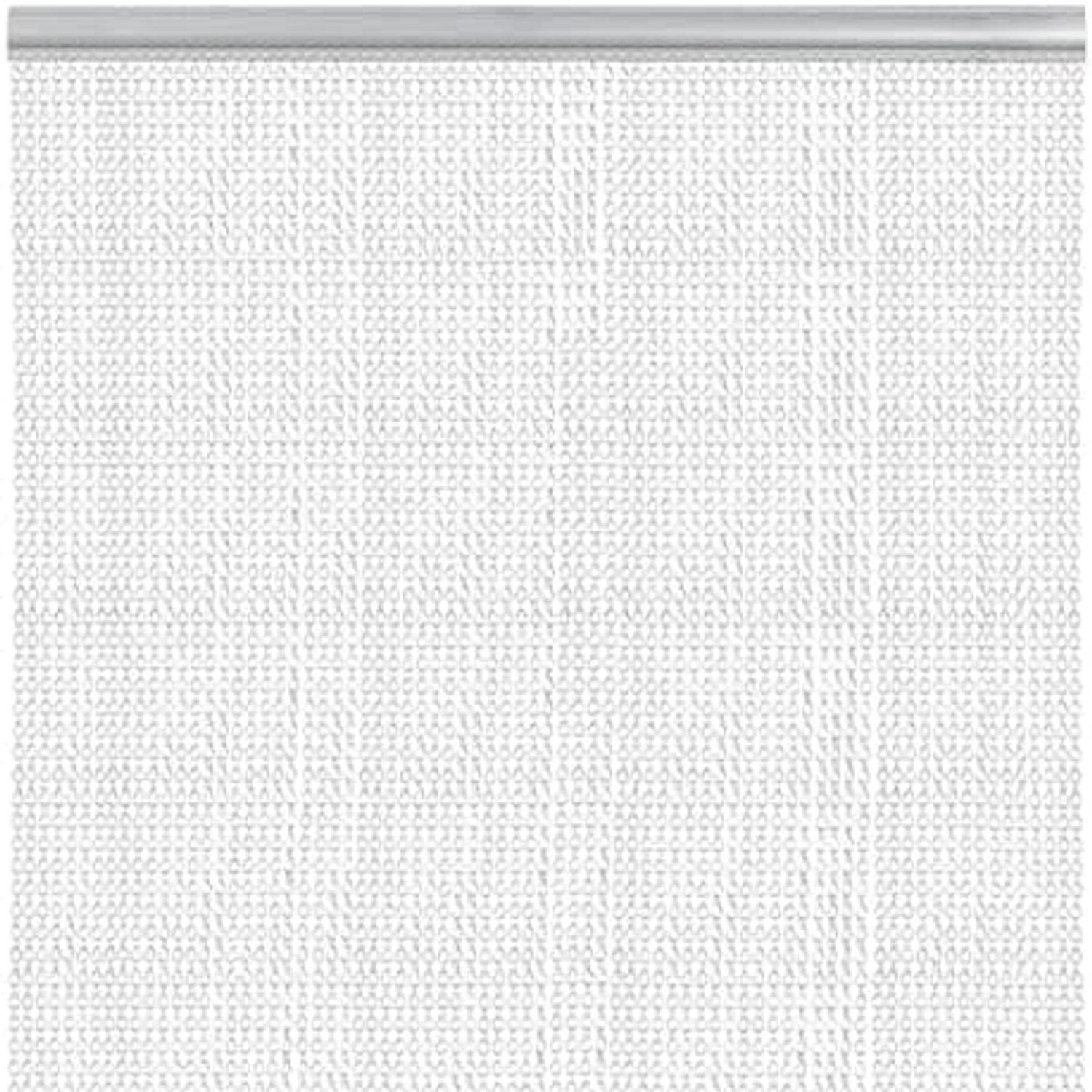
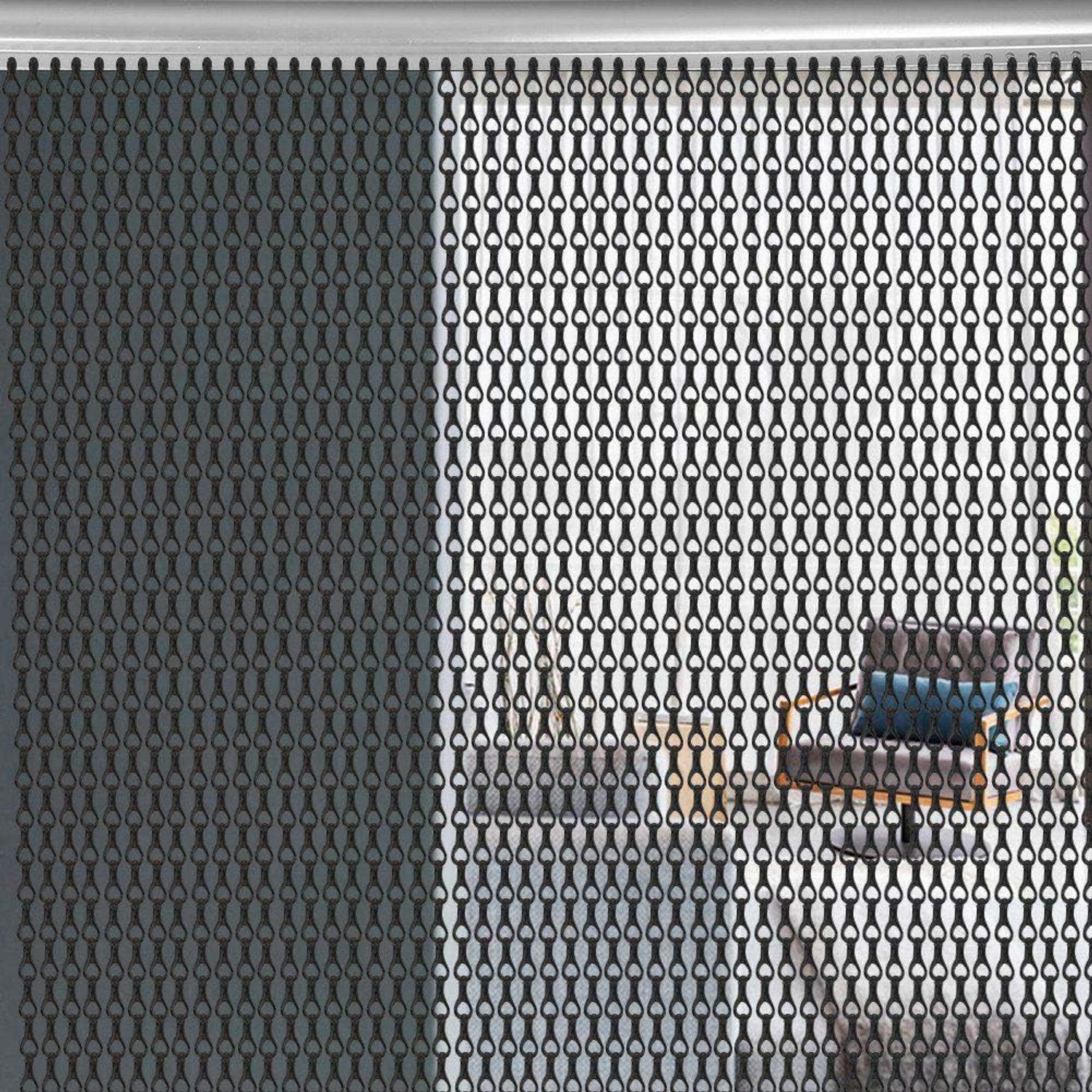
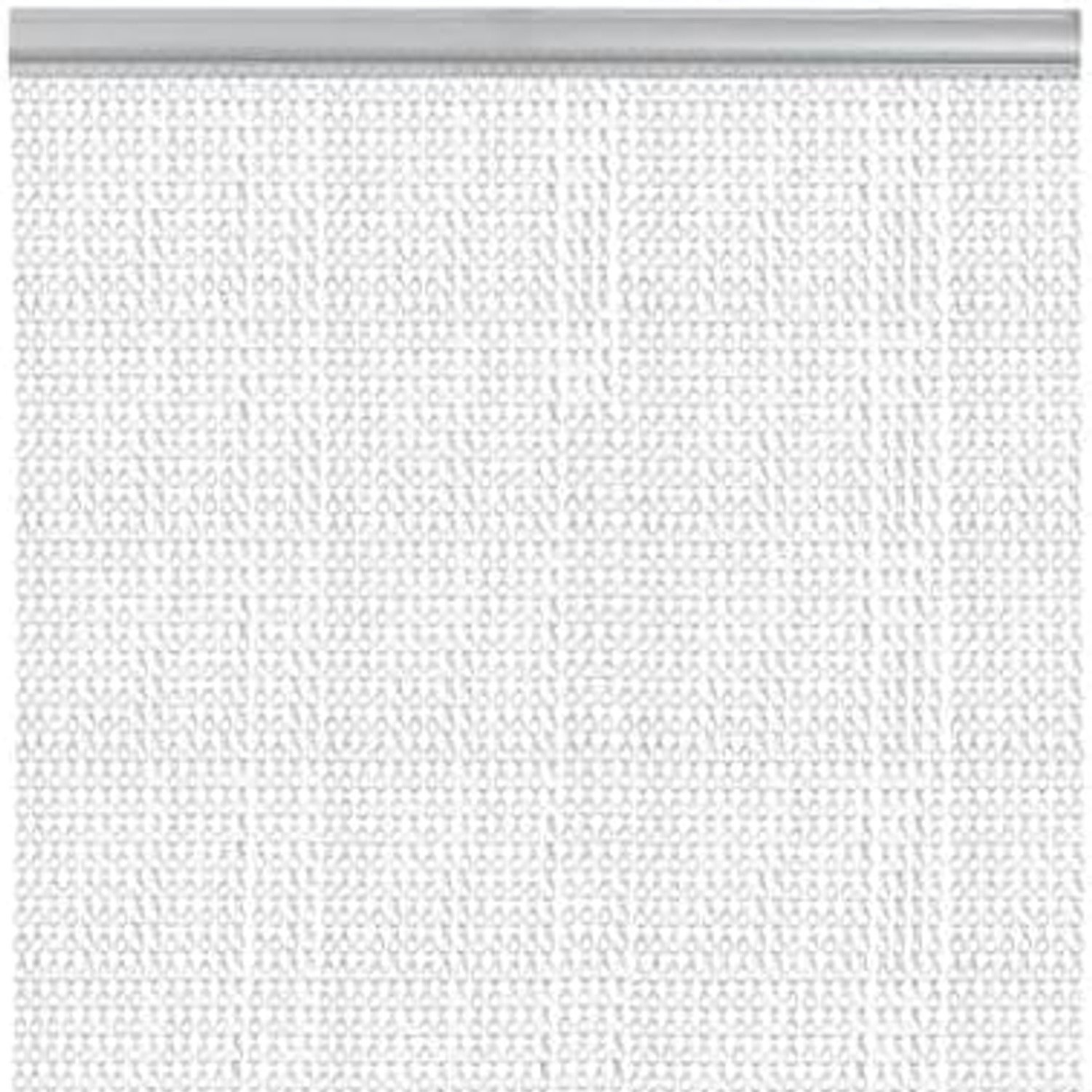
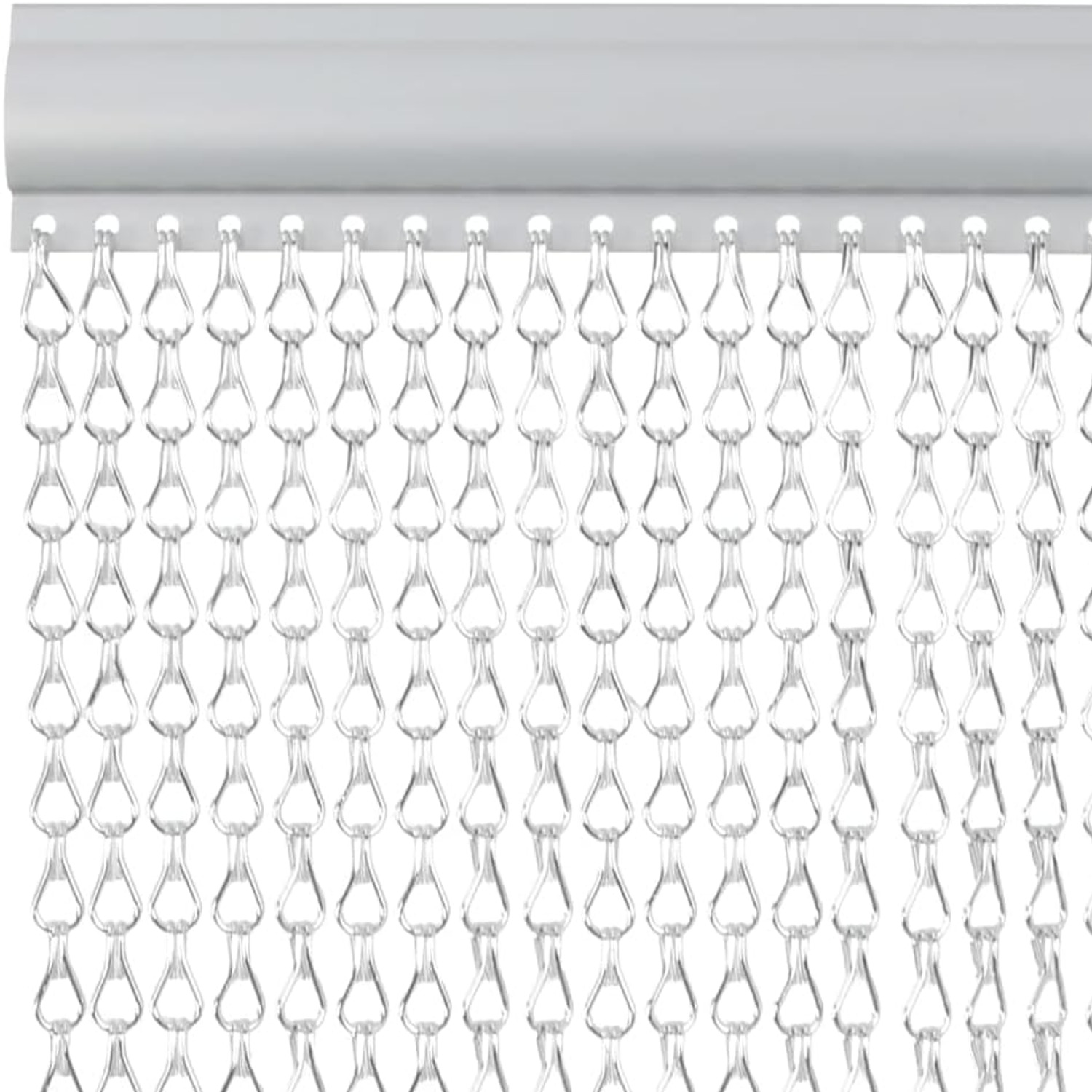
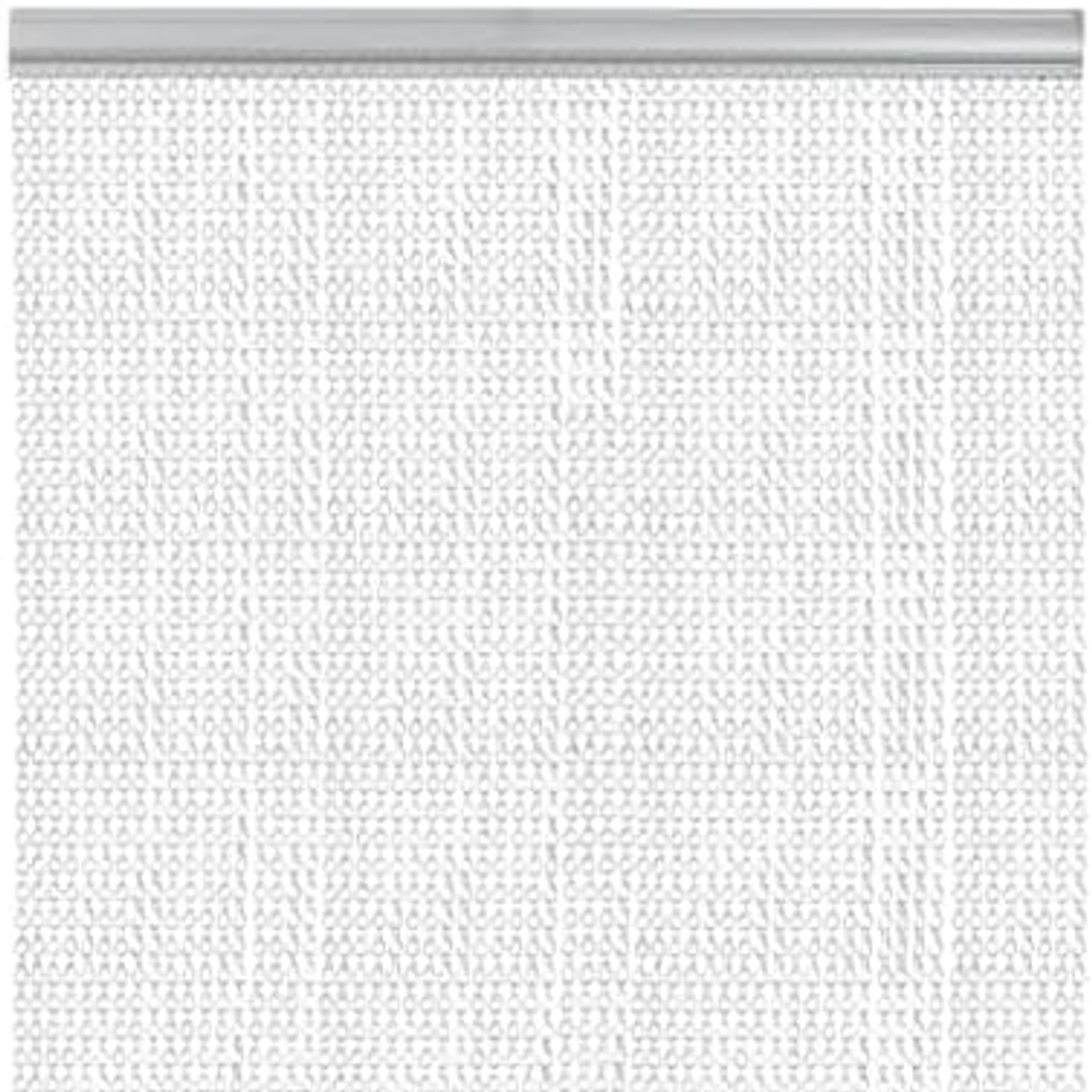
The screen is a row of fine chains hung from a rail fixed above the doorway. They hang close enough together that there is no obvious gap to fly through, and loose enough that a person parts them with a shoulder.
Two things do the work. The first is density. A fly approaching the opening sees a broken, shifting surface rather than a clear route. The second is movement. Even a slight draught keeps the strands swinging a little, and a surface in motion is an unattractive landing spot for a flying insect.
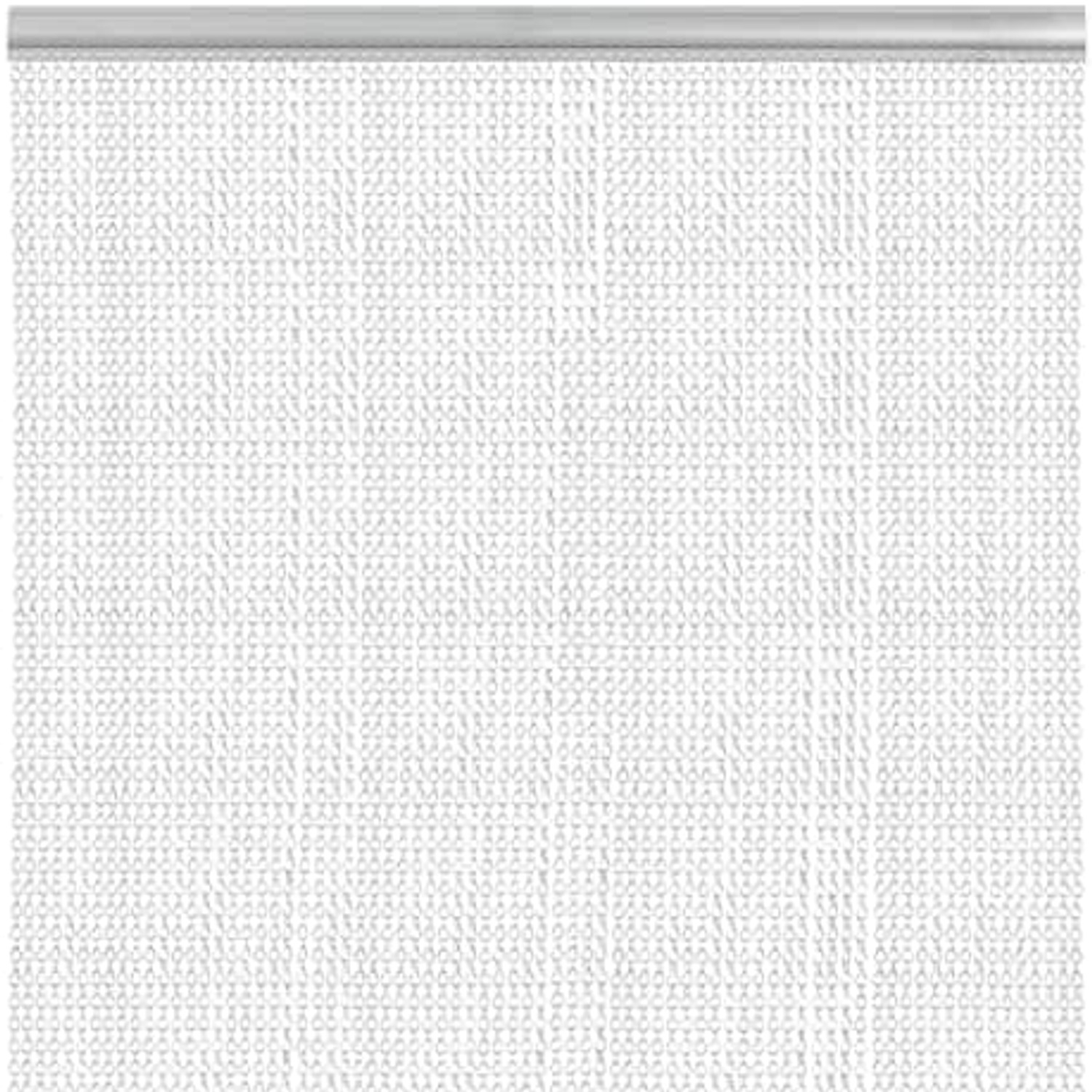
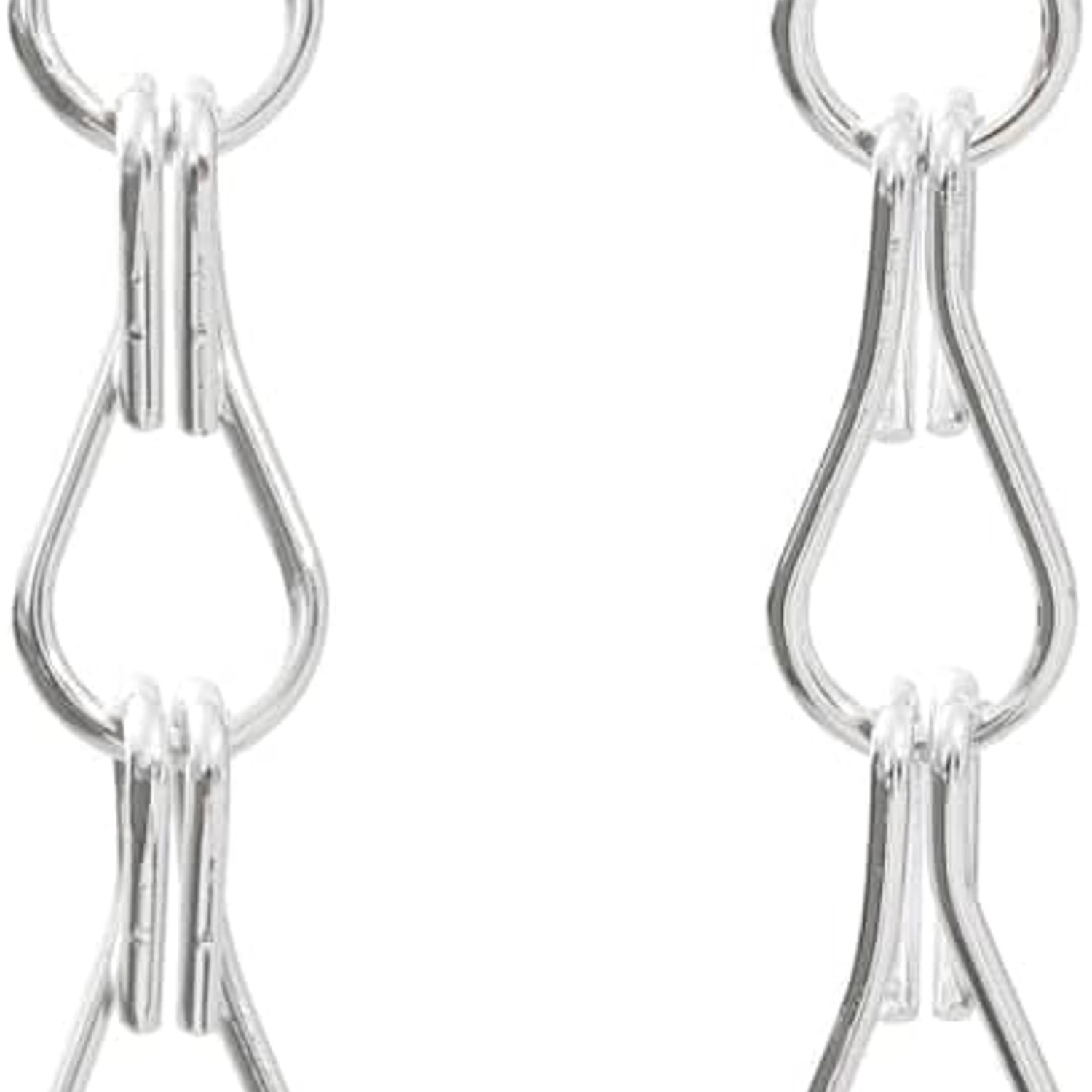
This screen uses aluminum chains in a silver finish. Aluminum is the sensible choice here for three reasons. It is light, so the rail does not need heavy fixing. It resists corrosion, which matters in steamy kitchens and damp back doorways. And it keeps its color instead of going dull or yellow, so the curtain still looks tidy after a long summer.
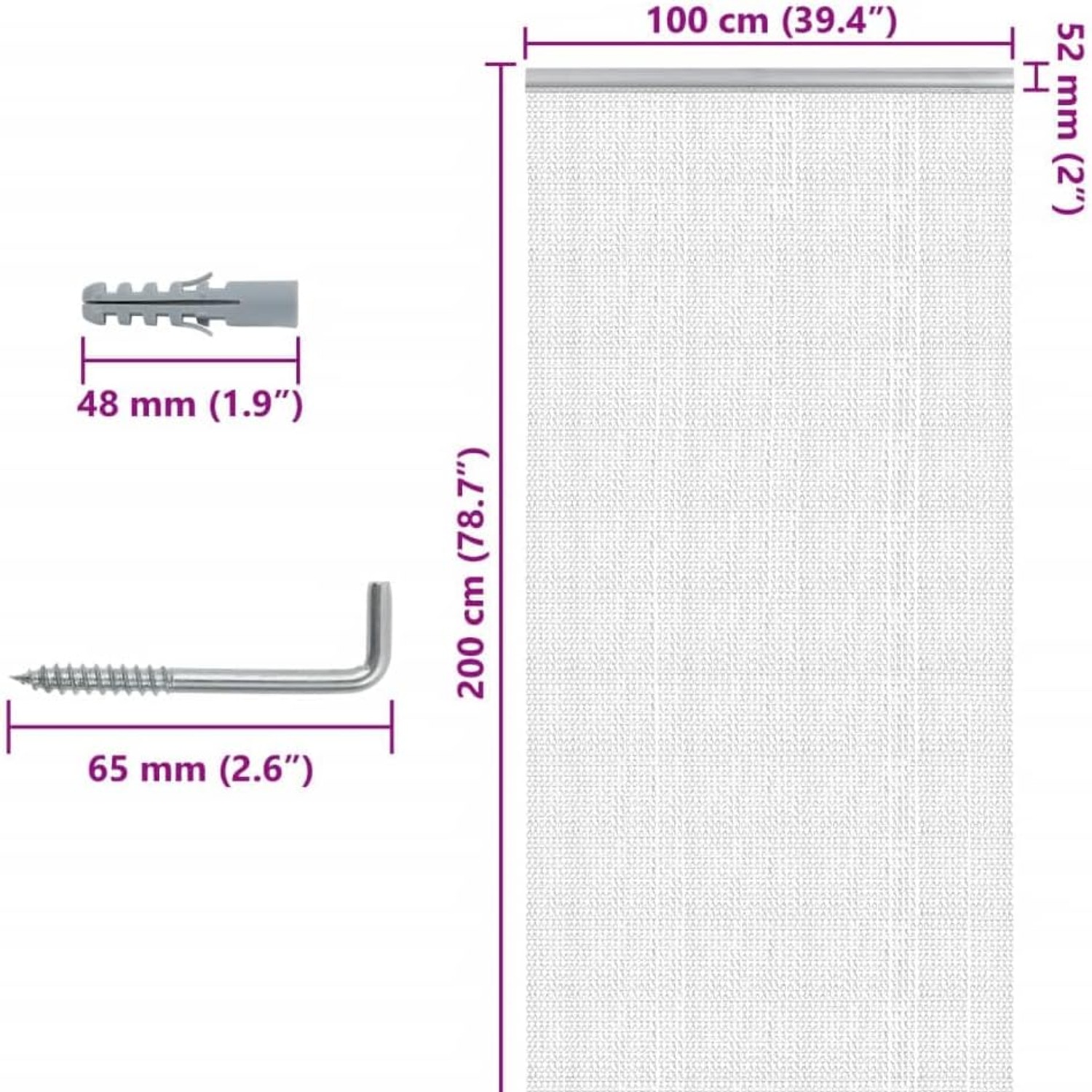
The curtain measures 100 x 200 cm overall, around 39 inches wide and 79 inches tall. The whole thing weighs 3.19 kg, light enough that a standard timber frame carries it without complaint. The product is listed as water resistant, which is why it suits a doorway that catches a bit of weather.
Who it suits
Households with a back door that lives open in summer get the most out of it. So do people with pets. A dog or cat learns very quickly that it can push straight through, which beats being let in and out twenty times a day.
Kitchens benefit, particularly where a door opens onto a yard or a bin area. Flies head for food, and a chain screen at the doorway stops a lot of them before they get near a worktop. The best kitchen door fly screen is one you never have to remember to shut, and that describes this one well.
Small businesses use them constantly. Cafes, pubs, takeaways, workshops and storerooms all have doorways with heavy foot traffic where a swinging door is in the way. Staff carrying trays or boxes pass through without pausing, and the silver chains read as a deliberate design choice rather than pest control hardware.
Then there is the indoor use. Hung across an archway, a stairwell opening or a storeroom entrance, the same curtain works as a light screen between spaces. It gives a sense of separation without closing anything off, which is useful in a flat or a studio where a real door would eat the floor plan.
Getting the fit right
Measure before you order, not after. You want the width and height of the opening, and you want to know what the frame and the wall above it are made of.
If your opening is narrower than 100 cm, chains lift off the rail. Take them from both ends evenly so the finished curtain still sits centred, and keep the spare strands somewhere safe in case you move house or change doors. If the opening is taller or shorter than 200 cm, the drop is adjusted by adding or removing buckles along each strand. Work out your target length first, then do every chain to match so the bottom edge stays level.
A small gap at the sides matters less than a gap at the bottom. Insects tend to come in low, following the warm air near the floor, so aim for the chains to finish just above the threshold without dragging.
For a double doorway or a very wide opening, hang two curtains side by side so the strands overlap slightly in the middle. That overlap is where people walk through, and it closes the gap better than butting two edges together.
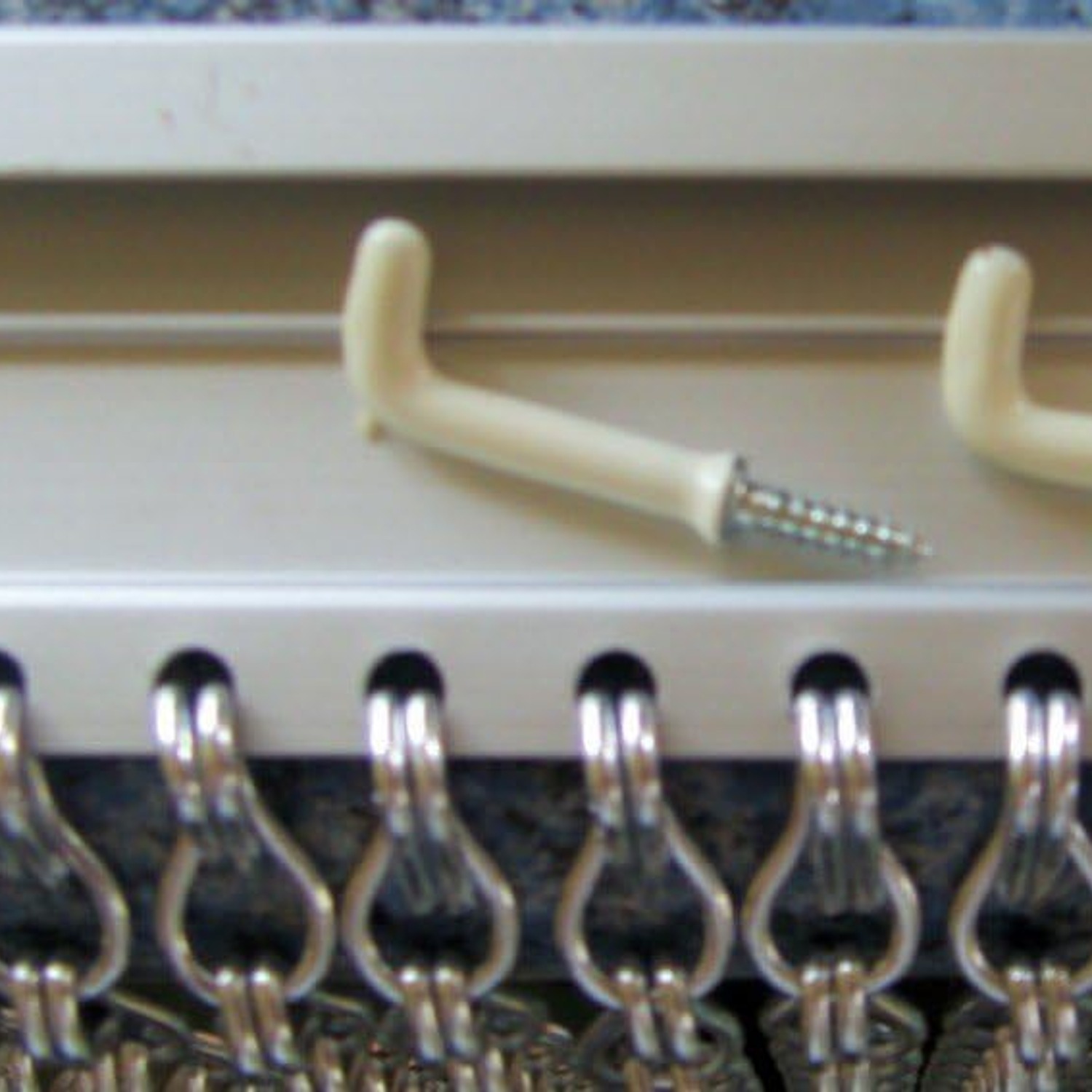
Mounting accessories come in the box and assembly is required. In practice that means marking a level line above the opening, drilling where needed, and screwing the rail into something solid. Timber frames are easy. Brick and plasterboard need the right plugs. A spirit level and a second pair of hands make the job much faster, because a rail that is a few millimeters off will show in the hem line of the chains.
Living with it
The best adjustable door curtain is the one you stop noticing, and that happens within about a week. There is a soft metallic settle as the chains fall back after someone passes, and a quiet rustle on a breezy day. Most people find it pleasant. In a very exposed, windy doorway the swing will be more noticeable, so a sheltered or partly covered opening is the better spot.
Pets take a day or two. Some push straight through on the first try, others need to watch a human do it a few times. Children usually treat it as a novelty for a week, so it helps to set a rule about not hanging off it while the fixings bed in.
Cleaning is light work. Wipe the chains with a damp cloth and a little mild soapy water when cooking film or garden dust builds up, then dry with a soft towel. Avoid scouring pads and strong solvents, since both can mark the finish. If a strand twists, lift it clear and let it hang free, and gravity sorts it out.
Because aluminum resists corrosion, there is no need to take the curtain down for winter unless you want the doorway clear. A quick wipe at the start of each warm season is usually all the maintenance it ever gets.
What it does not do
Worth being straight about this. A chain curtain is not a sealed mesh screen. Very small insects can still get through the gaps, so if you are fighting midges or mosquitoes in a bedroom, you want fine mesh on the windows as well.
It also does not block light or provide full privacy. It softens the view and cuts some glare, which is enough for a street-facing doorway, but anyone looking hard will still see movement inside. And it is not a security barrier. It keeps flies out, not people.
The short version
If you want a doorway that stays open all summer without turning into an insect highway, a chain door fly screen is a sound, low-fuss answer. This one is silver aluminum, 100 x 200 cm, 3.19 kg, with the chains removable for width and the buckles adjustable for drop. Mounting hardware is included and assembly takes a screwdriver, a drill and a bit of patience with a spirit level.
Measure your opening, allow for the adjustment, fix the rail into something solid, and then mostly forget about it. That last part is the real benefit.